

Some institutions transcend their original purpose, becoming something far greater than their founders envisioned. Major League Baseball represents precisely this evolution, a sporting organization that has become America’s preeminent cultural touchstone, connecting generations through shared passion and creating memories that define lives. The sport itself seems simple from outsider perspectives, yet its depth encompasses strategy, athleticism, history, and human drama combining into an experience that genuinely moves people emotionally. Major League Baseball teams represent cities and regions with fierce loyalty that rivals religious devotion. Major League Baseball games provide gathering places where families create traditions, friends reunite annually, and strangers become community. This cultural significance explains why Major League Baseball endures despite competition from newer, faster-paced entertainment alternatives.
Historical Weight and Generational Connection
Major League Baseball carries over 150 years of history, meaning contemporary fans connect with traditions extending far beyond their individual lifespans. Your grandfather attended games at now-demolished ballparks. Your parents listened to radio broadcasts. You watched television broadcasts. Your children stream games on mobile devices. Yet despite these technological evolutions, the fundamental experience remains constant, creating continuity across generations.
This historical weight manifests through legendary players becoming cultural icons whose names carry weight independent of baseball contexts. Babe Ruth, Mickey Mantle, Willie Mays, Hank Aaron, Major League Baseball legends transcend sports to become American cultural fixtures. Their accomplishments inspire books, documentaries, and endless discussion. Their legacies extend beyond baseball statistics into broader conversations about excellence, perseverance, and human potential. Major League Baseball history becomes American history, preserving memories of eras past through documented performance records.

Community Identity and Regional Pride
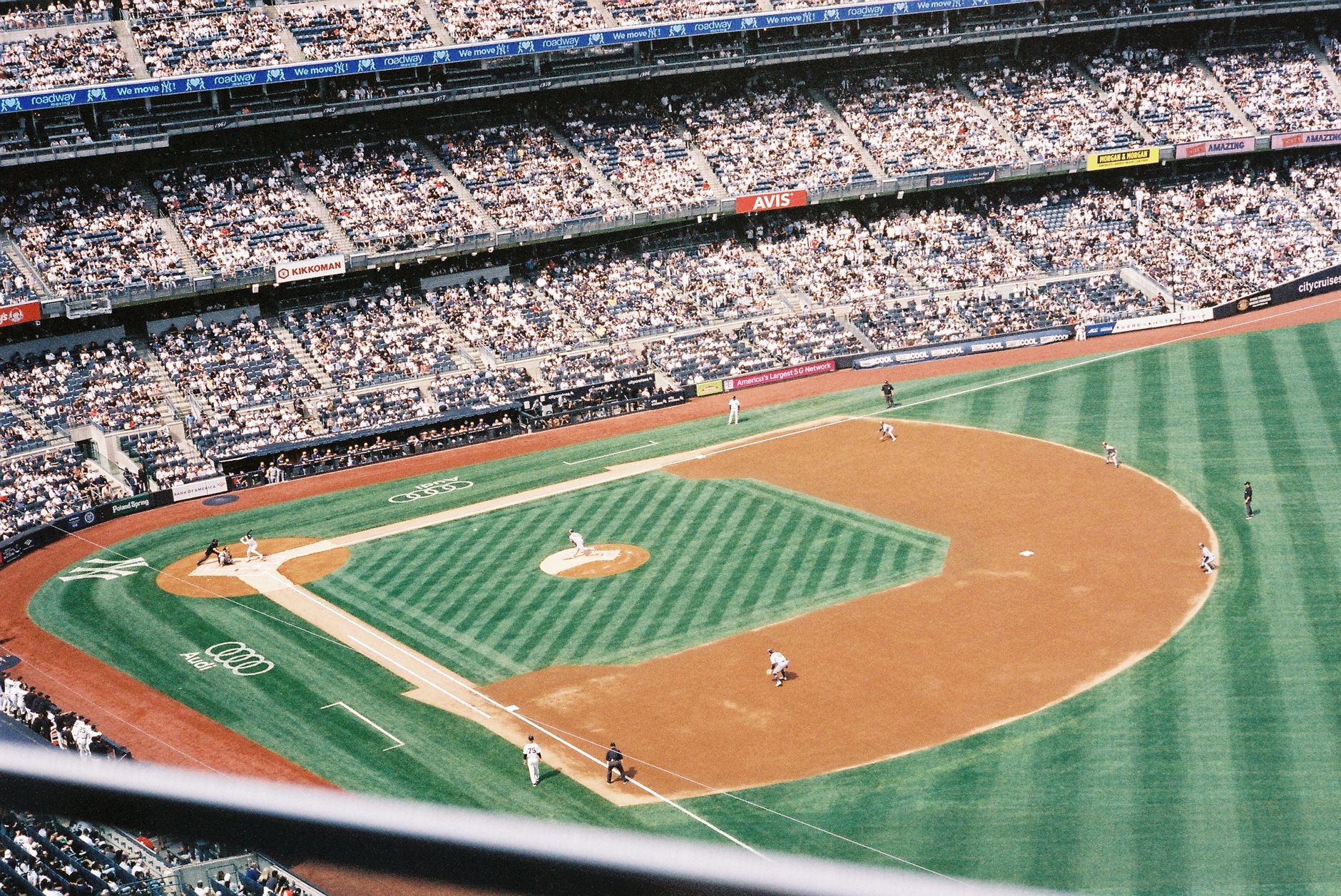
Major League Baseball teams represent cities in ways that transcend professional sports. Your city’s team represents your community identity, your regional pride, your connection to neighbors sharing identical team loyalty. Winning teams elevate community morale genuinely. Disappointing seasons create collective emotional investment in future improvement. Major League Baseball creates civic bonding that modern society struggles to generate through other mechanisms.
Attending Major League Baseball games means gathering with thousands of community members, experiencing shared emotions regardless of individual differences. Race, class, age, gender, political beliefs all become irrelevant within stadiums focused on game outcomes. This democratization of shared experience represents genuine social value that extends beyond entertainment.
Strategic Depth and Intellectual Engagement
Major League Baseball appeals to intellectually demanding audiences through its strategic complexity. Unlike simpler sports, baseball involves countless variables affecting outcomes. Pitch selection, batter positioning, field alignment, inning strategy, relief pitcher selection, all represent strategic decisions that influence results significantly. Managers make choices that appear brilliant or disastrous depending on subsequent developments. Baseball fans become amateur strategists, debating decisions endlessly.
This strategic depth means watching Major League Baseball games involves genuine intellectual engagement beyond passive spectatorship. Understanding the strategic dimensions transforms observation into active participation. Fantasy Major League Baseball leagues amplify this engagement, allowing fans to manage virtual rosters competing against friends based on real player performances. This combination of sport with strategic gaming appeals to minds seeking intellectual stimulation.

Economic Impact and Business Excellence
Major League Baseball represents remarkable business achievement, operating thirty teams generating billions in annual revenue while maintaining competitive balance. Team valuations have increased exponentially, with franchises representing genuine financial assets for ownership groups. The league negotiates broadcast rights commanding enormous sums, indicating persistent audience demand. Stadium developments continually upgrade facilities, creating modern entertainment venues mixing sports with culinary and entertainment experiences.
This financial success demonstrates that Major League Baseball maintains contemporary relevance despite skepticism about traditional sports’ future. The league evolves continuously, adopting rule changes, expanding playoff formats, and exploring new entertainment approaches. Rather than stubbornly adhering to tradition at the expense of growth, Major League Baseball balances tradition with innovation.
Individual Achievement and Personal Drama
Major League Baseball creates narratives around individual achievement that fascinate audiences. Players pursuing historic records inspire national attention. Rookies debuting and gradually improving create investment in their development. Veterans approaching careers’ conclusions pursue final championship opportunities. These human narratives transform games into genuine drama with authentic emotional stakes.
Baseball’s relatively slow pace allows personality emergence in ways that faster sports cannot accommodate. Batters develop signature plate appearances. Pitchers become recognizable through delivery mechanics. Fielders develop distinctive positioning habits. These individualized characteristics create connection between fans and specific players, transforming generic athletes into personalities fans genuinely care about.

Ballpark Experience and Ritual
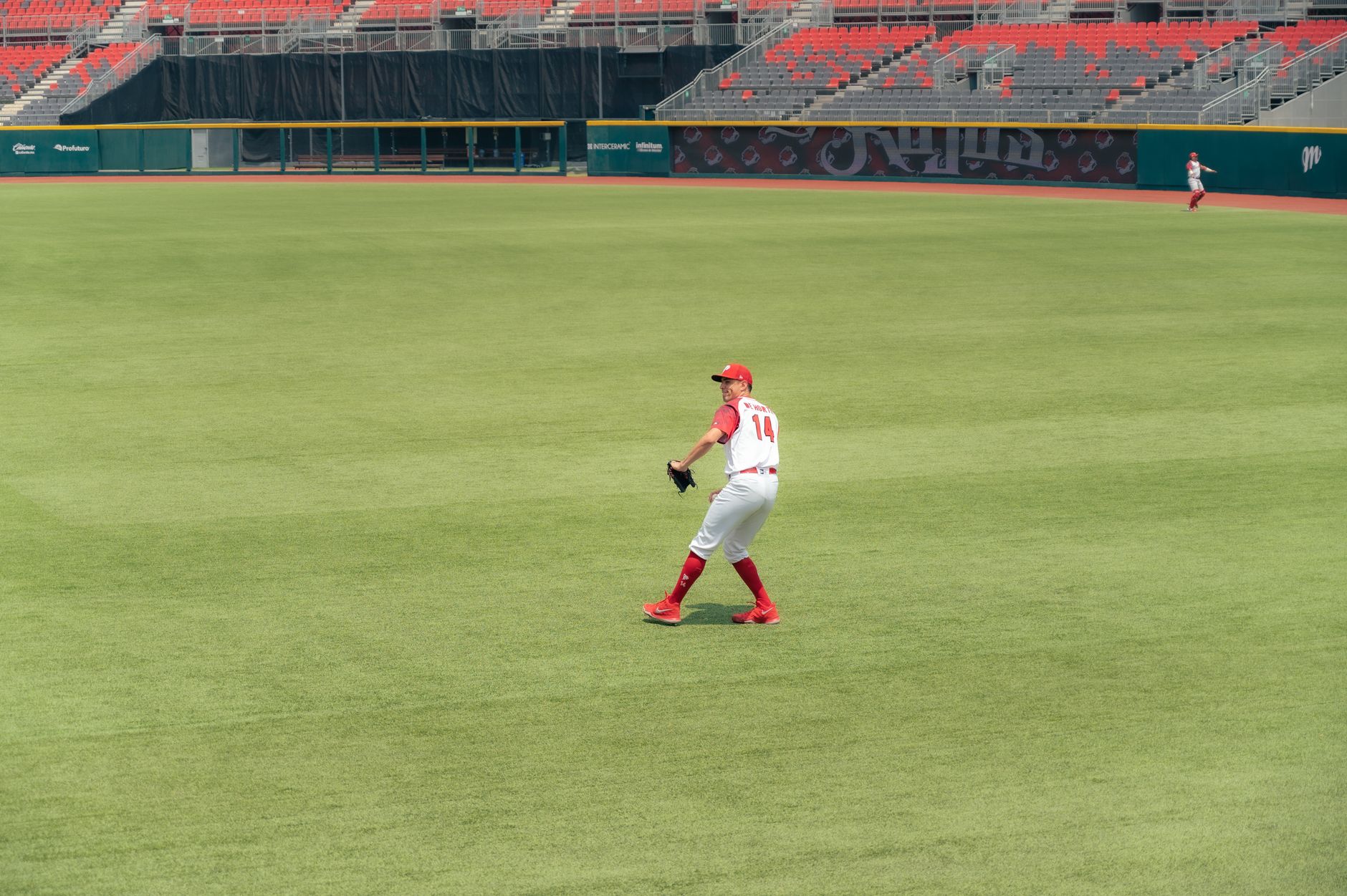
Attending Major League Baseball games involves rituals that become personally meaningful across repeated participation. Your specific seat location becomes familiar. Your favorite food vendors become recognizable. Your pre-game routine becomes established. Major League Baseball families create traditions around specific games, specific vendors, specific seating locations. These ritualized behaviors create meaning through repetition and personal association.
The ballpark itself becomes meaningful space. You’ve sat there countless times. You’ve experienced joy, disappointment, heartbreak, and elation in that specific location. These accumulated experiences embed the ballpark into your personal geography, making it more than merely a sporting venue into a genuinely meaningful place.
Accessibility and Modern Distribution
Contemporary technology makes Major League Baseball more accessible than ever. Games stream nationally and internationally. Highlights appear immediately after conclusion. Analysis becomes available instantly. Fans worldwide participate in online communities discussing games in real time. Geographic limitations that previously restricted fandom to local markets have essentially disappeared.
This accessibility expansion means Major League Baseball audiences continue growing globally. International players increase fan engagement in their home countries. American expatriates follow home teams despite geographic distance. The sport becomes genuinely international while maintaining American cultural identity.

Embracing Baseball’s Timeless Appeal
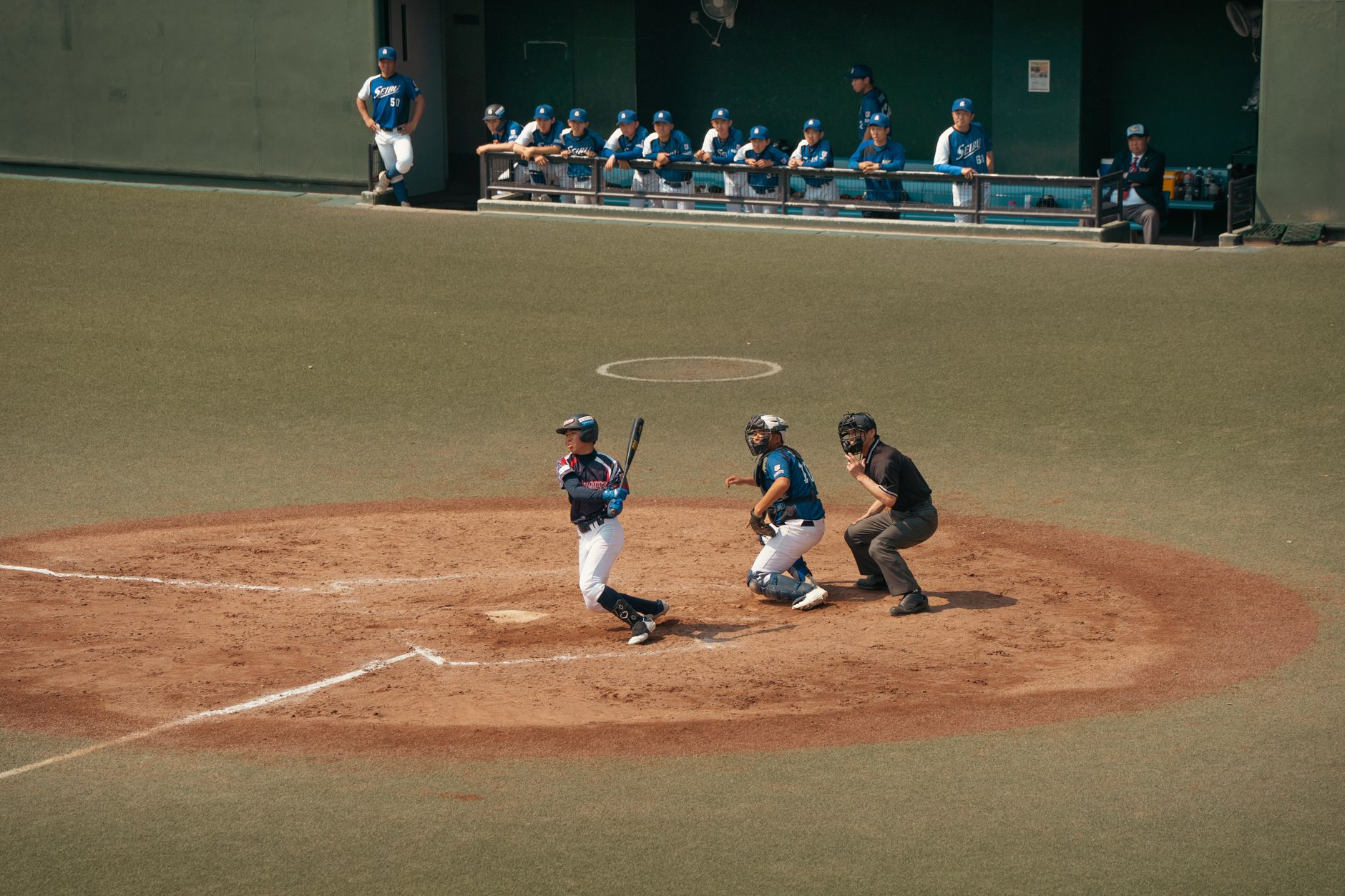
Major League Baseball endures because it satisfies fundamental human needs for community, meaning, and connection. The sport provides gathering places, shared experiences, and emotional investment in outcomes beyond personal consequences. Major League Baseball creates traditions, generates memories, and connects people across differences that normally divide modern society. Whether you’re a lifelong enthusiast or discovering the sport for the first time, Major League Baseball welcomes you into a community spanning generations and continents. Explore Major League Baseball today and discover why America’s pastime remains genuinely beloved.